
Inside Berkshire's Portfolio Reshuffle Under Warren Buffet
Berkshire Hathaway's fourth-quarter regulatory filings have revealed a strategic reshuffling of its equity portfolio totalling billions of dollars, offering investors critical insights into the conglomerate's capital allocation approach as it transitions to new leadership under CEO Greg Abel.
A filing submitted to regulators on 17 February 2025 disclosed significant position adjustments across multiple sectors, with particular focus on technology exposure reduction and increased weighting toward energy and insurance holdings.
According to InsiderScore, despite a 4.3% reduction in Apple holdings to US$61.96bn, the technology company maintained its position as the portfolio's largest equity stake at quarter-end.
This marks a continuation of Apple position trimming that began in earnest during 2024, when Berkshire reduced the stake by approximately two-thirds.
The portfolio rebalancing activity suggests a strategic pivot in asset allocation priorities. Berkshire disclosed a fresh position in The New York Times Company valued at US$351.7m, representing 5.1 million shares.
This media sector entry contrasts sharply with the conglomerate's decision to slash its Amazon stake by more than 75% during the same period, leaving approximately 2.3 million shares remaining in the ecommerce operator.
Portfolio rebalancing signals shift
Energy and insurance exposure increased materially during the quarter. Berkshire elevated its stake in Chevron to 6.5%, whilst holdings in Chubb rose to 8.7%.
These moves could indicate a preference for traditional value sectors with established cash flow generation, particularly relevant given current market volatility and valuation concerns in growth-oriented technology names.
The timing of these portfolio adjustments coincided with the departure of Todd Combs, one of Berkshire's senior investment managers, who resigned in December 2024 before joining JPMorgan Chase in January 2025 as head of its new Security and Resiliency Initiative.
The personnel change raises questions about potential shifts in investment philosophy or decision-making structure within Berkshire's equity management operations.
The scale of the portfolio repositioning reflects broader strategic considerations beyond individual stock selection. Market analysts have noted that the combined effect of these transactions suggests a deliberate shift in risk tolerance and sector allocation rather than tactical trading decisions.
Industry observers continue to debate whether these adjustments represent a temporary defensive posture or a longer-term strategic realignment. The magnitude of the changes, particularly in technology holdings, suggests institutional conviction rather than marginal portfolio optimisation.
Leadership transition and compensation structure
Greg formally assumed the CEO role on 1 January 2025, following Warren Buffett's planned retirement after six decades of leadership. The 95-year-old Warren announced his succession timeline at the company's annual meeting in May 2025, though he continues serving as Chairman of the Board.
Greg's compensation structure reflects the scale of operational responsibility. According to Securities and Exchange Commission filings, his annual cash salary increased to US25mfromUS25m from US25mfromUS21m in 2024.
This represents a substantial premium to Buffett's final-year compensation of US$100,000 plus US$305,111 in additional remuneration, though Buffett's wealth derived primarily from his equity stake rather than salary.
Abel previously served as Vice Chairman overseeing non-insurance operations, managing capital deployment across Berkshire's extensive subsidiary portfolio.
In succession communications, he says his intention is to "maintain the reputation of Berkshire" with an approach that "will not change" going forward.
The transition represents one of the most closely watched leadership changes in corporate history, given Berkshire's unique structure and Warren's legendary investment track record.
Greg inherits responsibility for managing a conglomerate with operations spanning insurance, energy, manufacturing, retail and financial services.
Investment implications for shareholders
Warren's November 2025 shareholder letter marked a definitive transition point. He says he plans to cease contributing to the annual shareholder letter, instead limiting communications to annual Thanksgiving messages.
His endorsement of Warren highlighted specific competencies in risk management within insurance operations, noting the new Chief possesses superior knowledge of "the upside potential and the danger of our P/C insurance business" compared to many veteran executives.

The conglomerate's full 2025 annual report, scheduled for publication on 28 February 2025, will provide comprehensive financial results from Warren's final year as CEO.
Investors will scrutinise operating performance across Berkshire's insurance, energy, manufacturing and retail segments, alongside details on capital allocation decisions, including share repurchases and cash positioning.
Portfolio adjustments executed during the leadership transition period may offer early indicators of Greg's strategic priorities, though the extended timeframe of position building and reduction makes attribution to individual decision-makers challenging.
The substantial reduction in technology exposure coupled with increased energy and insurance weighting could signal a return to traditional value investing principles that characterised Berkshire's historical approach.
Shareholder expectations remain elevated as Greg navigates his first year in the role, with particular attention focused on how he balances Berkshire's traditional value-oriented philosophy with opportunities in emerging sectors and technologies.
Company portals



Executives
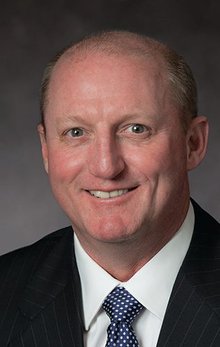
Greg Abel
CEO
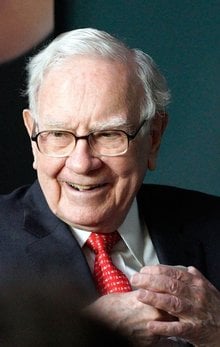
Warren Buffet
Former CEO