
Are Fragmented Payments Draining Your Business Resources?
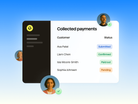
It is an increasingly common situation for a business to begin with a single payment system for customer collections and later add another for supplier or employee payouts.
This can lead to the need to manage multiple platforms, each with its own interface, login and reconciliation process.
What appears to be a practical solution can evolve into a considerable drain on company time and resources.
According to a survey by GoCardless, this is a widespread issue, with 60% of businesses believing that late payments are restricting them from achieving their full potential. The hidden costs associated with managing several payment systems are a major contributor.
Many businesses adopt a fragmented payment approach without realising the potential consequences. A company might use one provider for recurring customer payments while paying suppliers manually via bank transfers.
While each system may be effective for its intended purpose, using them separately creates inefficiencies and risks.
The impact of a fragmented payment landscape
When payment systems are disconnected, manual data entry often becomes a necessity. The process of exporting data from one platform to another or manually initiating bank transfers is not only time-consuming but also introduces the possibility of human error.
These manual steps can slow down payment runs from minutes to days. Such delays can affect supplier relationships and customer satisfaction, especially in cases of refunds or loan disbursements.
The absence of a unified system makes the automation of payment processes a considerable challenge.
Scheduling payments in advance or triggering client communications based on payment statuses across different platforms becomes difficult.
This situation forces businesses to depend on manual checks and interventions, which consume valuable time.
This fragmented view of finances can also obscure a company’s true cash flow position, making strategic financial planning more difficult.
Identifying the hidden costs of payment systems
Managing separate systems for inbound and outbound payments introduces several hidden costs and operational burdens that finance leaders should be aware of.
These inefficiencies extend beyond simple transaction fees, creating a cumulative effect on the finance department’s workload and the company’s bottom line. The main issues include:
- Exposure to fraud and security risks: Manual data entry increases the risk of errors, which could lead to incorrect payments. A lack of integrated verification checks also exposes businesses to potentially fraudulent payment claims. Handling bank account details across different systems heightens security risks.
- Reconciliation difficulties: Tracking transactions across multiple platforms complicates reconciliation. Finance teams may spend a great deal of time matching inbound collections with outbound payments, which makes reporting processes unnecessarily complex.
- Unnecessary costs and administrative burden: Beyond direct transaction fees, maintaining multiple payment systems incurs additional costs related to setup, maintenance and complex contractual agreements. The administrative load of managing these disparate systems, including staff training and troubleshooting, also adds to the overall expense.
A unified payment approach for greater efficiency
A unified system where all payment activity is managed from a single point can address these challenges directly. By consolidating collections and payouts, businesses can automate processes and improve financial oversight.
Payments can be sent directly from a single payment account funded by either existing collections or a verified business bank account. This method eliminates manual steps and enables seamless automation.
Reusing stored bank details from collections reduces manual errors and improves security.
Integrated security measures, such as Confirmation of Payee checks, ensure that payment details match the recipient’s account, which helps to mitigate the risk of fraud.
Tracking all transactions on a single platform simplifies reporting and provides a clear, comprehensive view of payment statuses.
By adopting a single payment solution, businesses could eliminate the hidden costs associated with managing multiple systems.
This consolidation can lead to improved efficiency, enhanced security and greater visibility into financial operations, allowing for more strategic allocation of resources.