
Can GSK Maintain Investor Confidence Through 2026 Strategy?
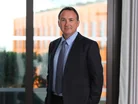
GSK's financial results for the fourth quarter and full year 2025, released on 4 February, marked the first comprehensive report under CEO Luke Miels.
The figures presented a company transitioning its revenue composition while managing investor expectations for the year ahead through measured guidance and capital allocation commitments.
The pharmaceutical company reported core operating profit growth of 11% for 2025, underpinned by revenue shifts within its business segments and improved cash generation.
Free cash flow reached £4bn (US$5.4bn), providing the financial capacity to support both pipeline investment and shareholder returns.
Luke says: "GSK delivered another strong performance in 2025, driven mainly by Speciality Medicines, with double-digit sales growth in Respiratory, Immunology & Inflammation, Oncology and HIV."
The company declared a full-year dividend of 66p for 2025 and expects a 67p dividend for 2026, alongside continuation of its £2bn (US$2.7bn) share buyback programme through the second quarter.
These commitments reflect GSK's approach to balancing reinvestment with shareholder distributions during a period of portfolio transformation.
Specialty Medicines revenue composition
The 2025 results revealed that Speciality Medicines now generates more than 40% of total group revenue, with sales rising 17% to £13.5bn (US$18.3bn). Within this segment, oncology sales increased 43% to £2bn (US$2.71bn), representing the fastest-growing therapeutic area in the portfolio.
Growth within Speciality Medicines was distributed across Respiratory, Immunology & Inflammation, Oncology and HIV franchises. This diversification within the segment could reduce dependency on individual product performance while maintaining exposure to higher-value therapy areas.
The shift towards Speciality Medicines reflects GSK's strategic repositioning away from lower-margin general pharmaceuticals. This transition has been central to the company's value creation strategy under previous leadership and continues under Luke's direction.
Vaccines delivered 2% growth to £9.2bn (US$12.4bn), with established products such as Shingrix and meningitis vaccines contributing alongside incremental revenue from respiratory syncytial virus (RSV) vaccine Arexvy. General Medicines sales declined 1%, reflecting the maturity of this portfolio segment.
Forward guidance and margin expectations
GSK's guidance for 2026 projects turnover growth of 3% to 5% at constant exchange rates, with core operating profit and earnings per share growth of 7% to 9%.
The margin expansion implied by faster profit growth relative to revenue growth suggests operating leverage from the Speciality Medicines segment and cost discipline across the business.
The company expects Speciality Medicines to drive 2026 growth, while Vaccines and General Medicines are forecast to remain stable or decline slightly. Luke says: "We expect this positive momentum to continue in 2026, which will be a key year of execution and operational delivery with strong focus on commercial launches and accelerating research and development (R&D)."
The differential between revenue and profit growth rates indicates GSK's confidence in extracting operational efficiencies. This margin progression will be critical to demonstrating the financial benefits of the portfolio transformation strategy.
Planned commercial launches include Exdensur for asthma and Blenrep for cancer, with two potential regulatory approvals expected for bepirovirsen in chronic hepatitis B and tebipenem for complicated urinary tract infections.
The company anticipates 10 new pivotal trial starts and five late-stage readouts across oncology, inflammation and infectious disease during the year.
Long-term financial targets
GSK reiterated its target of exceeding £40bn (US$54.2bn) in sales by 2031, which would require a compound annual growth rate in the mid-to-high single digits from the 2025 revenue base.
Luke emphasised execution against existing commitments rather than raising targets. He says: "We are well placed to move forward in this next phase for GSK to deliver our outlooks and to create new value for patients and shareholders."

The trajectory towards this target depends on converting pipeline assets into commercial revenue while managing the declining contribution from mature General Medicines products.
Luke notes: "Good R&D progress also continued, with five major product approvals achieved and several acquisitions and new partnerships completed to strengthen the pipeline further in oncology and Respiratory, Immunology & Inflammation (RI&I)."
Achieving the 2031 target will require sustained performance across multiple product launches and therapeutic areas. The company's track record in executing commercial launches and maintaining pricing discipline will be tested as competition intensifies in key markets.
The 2025 results established a baseline for Luke's leadership, with financial performance indicators and capital allocation decisions providing metrics against which subsequent execution will be measured.
GSK's ability to translate pipeline progress into consistent revenue growth while maintaining margin expansion will determine whether investor confidence in the 2031 target remains intact.
Company portals

Executives
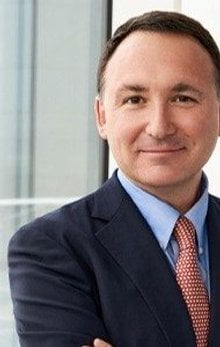
Luke Miels
Chief Commercial Officer