
What Next as Warren Buffett Passes Berkshire's CEO Reins?
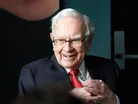
Warren Buffett's final 12 months as CEO of Berkshire Hathaway offers finance leaders a masterclass in strategic restraint and capital discipline. As volatile markets and mounting pressure to deploy capital intensify, Warren's approach during 2025 presents a compelling counter-narrative to the growth-at-any-cost mentality that often dominates boardroom discussions.
During his last year at the helm, the legendary investor maintained the same disciplined capital allocation strategy that defined his nearly 60-year tenure.
In a period characterised by record-high equity valuations, Berkshire divested more shares than it acquired, allowing its cash position to swell to an unprecedented US$358bn by year−end, according to the Wall Street Journal (WSJ). It also sold US$10bn more in stocks than it purchased during the first nine months of the year alone.
Chris Bloomstran, President and Chief Investment Officer of Semper Augustus Investments Group, tells the WSJ that Warren "exits in his final years having invested the same ways he did for six decades: patiently opportunistic and never placing the company in harm's way".
Succession planning and compensation architecture
The transition to Greg Abel as Chief Executive on 1 January marked the culmination of years of deliberate succession planning. Greg, who served as Vice Chairman of Berkshire's non-insurance operations since 2018, had been publicly confirmed as Warren's successor in May 2021.
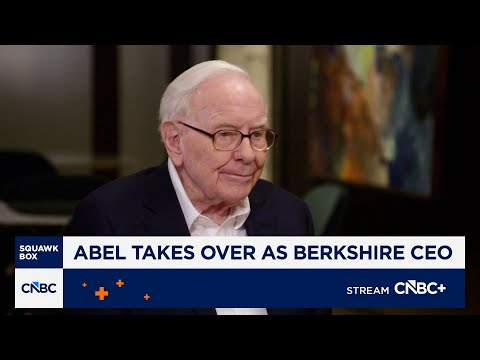
Warren's confidence in Greg was unequivocal. He told CNBC that "if something were to happen to me tonight, it would be Greg who would take over tomorrow morning".
Speaking to CNBC's Becky Quick in May 2025, Warren said he would rather have Greg handle his money "than any of the top investment advisers or any of the top CEOs in the United States".
He added: "It is a huge endorsement, but it's an endorsement we've made."
Warren went further, stating: "I can't think of a CEO, a management consultant, an academic, a member of government – you name it – that I would select over Greg to handle your savings and mine."
Berkshire increased Greg's annual cash salary to US$25m upon his appointment, according to filings with the US Securities and Exchange Commission. This represented a step up from the US$21m he earned in 2024 as Vice Chairman.
The differential from Warren's final-year compensation of US$100,000 illustrates the evolution of executive pay philosophy.
Operational readiness and financial stewardship
Greg's operational credentials extend beyond his Vice Chairman role. In his November shareholder letter, Warren writes that Greg had "more than met" the expectations he formed when he first identified him as Berkshire's next Chief Executive.
Warren praised Greg's understanding of both personnel and operations, noting that he grasps these areas "far better" than Warren does now. He specifically highlighted that his successor knows "far more about the upside potential and the dangers of our P/C insurance business" than many long-time executives.
At the time of the succession announcement, Greg commits to maintaining Berkshire's reputation, telling shareholders: "Really, it will not change. And it's the approach we'll take as we go forward."
As Warren steps back, the baton passes to a leader shaped by Berkshire's distinctive approach to capital allocation and long-term value creation.
Company portals

Executives
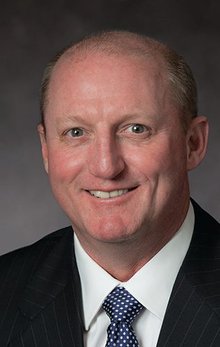
Greg Abel
CEO
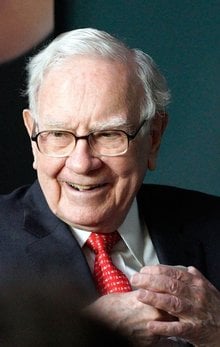
Warren Buffet
Former CEO