CXO Summit Day Two: Financing a Sustainable Future
Sustainability is a central component of strategy, not just to be in line with reporting standards and critical 2030 or 2050 decarbonisation objectives, but also as there is a real, tangible impact outside the corporate world.
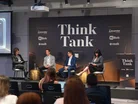
On the second day of the CXO Summit, which took place 7-8 October, and hosted by BizClik, James Murnieks, CFO of Siemens UK&I, Nicky O’Malley, UK CEO of 30x30 and Enrique Patrickson, CFO of Hexagon, joined moderator Matt High on stage for a discussion on sustainable finance.
What steps are being taken to ensure a sustainable future?
Urgency is needed as climate change effects roll in and continue to devastate communities and companies.
ESG strategy is vital; but compliance “is no longer a tick-box task” says James Murnieks.

“It’s not just a finance topic, it’s a business topic: it’s really important to make sure the leadership team are on board” he explains.
Leaders were increasingly advised that sustainability is not just about adding value, but protecting it.
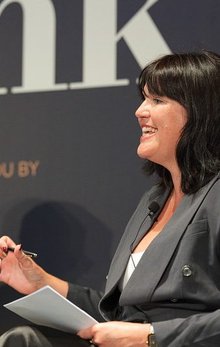
Nicky O’Malley, UK CEO of 30x30 says: “Nature and planet is a business-critical issue and a huge risk issue. Mitigating that risk and securing the future agenda – looking at the 2040 and 2050 horizons – is an important part of what CFOs do. We can't have those conversations without thinking about nature and the planet.”
Nature loss is a business critical issue”
Influencing the money decisions
Nick’s words ring true for finance leaders alike, as the focus shifts to what CFOs can do to protect investments, and to influence them.
“A recent report this year found that 70% of UK businesses are losing at least 1% of their annual turnover to climate change and nature problems right now” she says.
Ecologi’s report states that 70% of UK businesses report losing more than 1% of annual turnover to climate-related impacts in the past year, and that around 83% of businesses agree that taking measurable steps toward net zero is essential to protect future revenue and operational resilience.
- The CXO Summit brought together over 50+ expert speakers including James Murnieks, CFO of Siemens UK&I, Nicky O’Malley, UK CEO of 30x30 and Enrique Patrickson, CFO of Hexagon
- 70% of UK businesses report losing more than 1% of annual turnover to climate-related impacts in the past year
- 83% of businesses agree that taking measurable steps toward net zero is essential to protect future revenue
- The CXO Summit saw over 500 attendees
- It is the first CXO Summit hosted by BizClik
Enrique notes that for all CFOs perhaps currently in their budgeting and planning season, asking the right questions during this process is essential.
“Do you have a page or whole section that talks about what OPEX and CapEx are going into sustainability initiatives? Do you have a proper debate about which ones to fund?” he says.
“Funding is the main leading indicator of whether things get done”.
Do you have a page or whole section that talks about what OPEX and CapEx are going into sustainability initiatives? Do you have a proper debate about which ones to fund?”
The main takeaways
The panel provided critical objectives and insights into what a sustainable future can look like, and how CFOs can see ESG as a long-term investment instead of a short-term solution.
Sustainability should be embedded into the strategy, supporting the business’ long term vision says James. Finance can play a role in in putting forward data about ethics and decarbonisation to enable other members and the board to make the right decisions, he explains.
Fellow CFO Enrique Patrickson centres on unity in the boardroom. “Many common goods assets are mispriced – water, carbon emissions, and deforestation are all financially underpriced. To be truly ready as a business, we have to take a much tougher stance on those things in the boardroom and executive team.”
Nicky provides a more focussed perspective on how sustainability is essential, and must be seen as a long-term strategy.
“Nature loss is a business critical issue,” she comments. The implications it has are serious and growing in risk – as companies progress they must upskill and build knowledge across organisations as a supporting measure.
“Financing a sustainable future is not a niche – it firmly sits on the brief of finance leaders right now. It is a value creation opportunity” she concludes.
Thank you to our CXO sponsors, Alexander Group, HiBob and Malt







Executives
Enrique Patrickson
Group CFO
James Murnieks
CFO of Great Britain and Ireland
Nicky O'Malley
CEO UK