Fed's Kevin Warsh Faces Jackson Hole Hot Seat Over Inflation
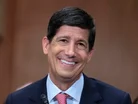
Four weeks ago, Federal Reserve Chair Kevin Warsh described the speech he wanted to give.
"If I could, in the high mountain air in Jackson, Wyoming, I'd like to also frame the big questions," he tells reporters, dismissing the market's obsession with quarter-point moves as 'myopic'"
When he takes the podium on Friday morning, the world's most powerful central banker will face an audience that has stopped caring about the big questions and wants an answer to a small one.
Will he raise rates or not?

- US inflation ran at 3.4% in July, above the Fed's 2% target for a sixth straight year.
- Bond yields have surged to levels not seen in more than a decade since his July press conference.
- The Treasury has intervened twice in markets, including a buyback of at least US$4bn of long-dated debt that failed to hold yields down.
- Cleveland Fed President Beth Hammack voted to raise rates in July and was outvoted.
- Markets expect the Fed to hold rates again in September, and UBS expects no forward guidance on Friday.
The credibility gap
Jackson Hole is where Fed chairs deliver the sentences markets remember, and Warsh arrives with a problem his predecessors would recognise.
His July press conference said so little about how the Fed intends to tame inflation that investors filled the silence themselves, selling bonds until long-term rates hit decade highs.
Evercore analysts write that he "has ground to make up" after a performance that "failed to articulate a coherent strategy" and dented his credibility.
Inside his own committee, the patience is thinning too.
Beth Hammack, President of the Cleveland Fed, voted to raise rates in July and lost. She has spent the week in Wyoming explaining why.
Beth's worry is not just the number but the mindset. Factory workers she met in Erie, Pennsylvania told her nobody expects prices to come down, and that kind of expectation, once it settles in, does the inflating on its own.
The fight next door
The harder problem may be the man across town. Treasury Secretary Scott Bessent has intervened in the bond market, buying back at least US$4bn of long-dated debt to force yields lower.
The bond market absorbed the buyback and pushed yields straight back up within a day.
Warsh wants markets to set the price of money. Bessent keeps overruling them, and the standoff is now the sharpest question in US financial policy.
Peter Boockvar, Chief Investment Officer of One Point BFG Wealth Partners, scores the contest so far. "Bessent wanted to take the wheel from Warsh, and the market is telling Bessent, 'We're the ones who have the wheel,'" Peter says.
I believe it's time to act. I think we've seen inflation above target for too long.
Warsh has argued for a new Treasury-Fed accord, an update to the 1951 agreement that drew the line between the two institutions.
What finance chiefs should listen for
For anyone managing debt or planning capital spending, the poetry matters less than a single practical line.
A signal that the Fed will raise rates if core inflation fails to fall would reset borrowing costs across the curve. Silence, on recent evidence, moves markets just as hard in the wrong direction.
Warsh promised the big questions. On Friday the market will settle for one clear answer.
A signal that the Fed will raise rates if core inflation fails to fall would reset borrowing costs across the curve. Silence, on recent evidence, moves markets just as hard in the wrong direction.
Warsh promised the big questions. On Friday the market will settle for one clear answer.
Who are the Federal Reserve's key partners?
US Treasury: The Fed's fiscal counterpart, now testing the boundary between them with interventions in bond and currency markets. Treasury Secretary Scott Bessent, based in Washington DC.
Kansas City Fed: The regional reserve bank that hosts the Jackson Hole symposium, the central-banking calendar's most-watched stage. President Jeffrey Schmid, headquartered in Kansas City, Missouri.
European Central Bank: A fellow major central bank coordinating with the Fed on global financial stability and dollar liquidity. President Christine Lagarde, headquartered in Frankfurt, Germany.
Company portals

Executives
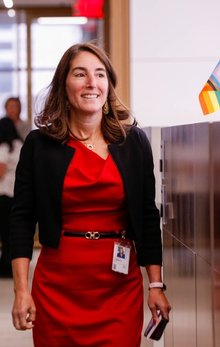
Beth Hammack,
President and CEO, Federal Reserve Bank of Cleveland
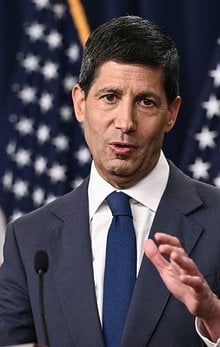
Kevin Warsh
Chairman
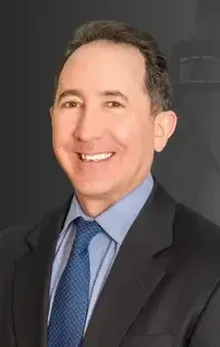
Peter Boockvar
Chief Investment Officer