
Intel Raises US$23bn as Investors Buy into Silicon Comeback
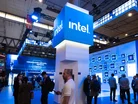
Intel just completed a huge 242-million share offering to net roughly US$23bn.
Although massive dilution like this usually drags share prices down, Intel stock climbed almost 8% to hit US$102.50 by Friday's close – comfortably beating the US$95 issue price.
Demand completely overwhelmed supply, with investors submitting over US$100bn in orders for four times the available shares.
This capital will mainly fund Intel's push to transform into a contract chip manufacturer, positioning itself to challenge Taiwan's TSMC and give Washington the domestic semiconductor foundry it craves.
“My confidence in our foundry process roadmap has grown significantly,” CEO Lip-Bu Tan notes during the July earnings call.
An unscripted corporate revival
Only 18 months back, the consensus was that Intel was past its prime; today, its share price has surged roughly 160%, marking a premier turnaround among large-cap tech stocks.
July earnings blew past expectations across every key metric: total revenue reached US$16.1bn, margins widened beyond expectations and earnings doubled consensus estimates – boosted by a 59% year-over-year jump in data-centre sales.
This marked the seventh consecutive quarter Intel outperformed its own forecasts. “Today, we are seeing the strongest revenue growth in more than 15 years,” Lip-Bu shared with shareholders.
Crucially, the US$23bn cash injection grants Intel the room to build that it went without for so long. CapEx for 2026 is now set to top US$20bn.
Demonstrating personal skin in the game, Lip-Bu personally bought roughly US$10m in shares at the same US$95 public offering price.

The seal of approval from NVIDIA
A year back, NVIDIA sank US$5bn into Intel at US$23.28 per share, a move CEO Jensen Huang described as “an incredible investment.”
That stake is currently valued near US$30bn, meaning Intel’s primary financial pillar is the very rival that previously dominated its space.
The former rivals are now partnering on joint data-centre and PC hardware.
Tech's most influential customer has effectively endorsed Intel's survival.
Coupled with a US government eager to foster an American powerhouse to offset Taiwan's dominance in advanced manufacturing, Intel has shifted from a story of decline to a matter of national priority.
Funding for America's semiconductor resurgence has reached a private market scale that seemed unbelievable two years ago.
Skeptics remain on the sidelines
Wall Street is not unanimously convinced. Out of about 48 analysts tracking Intel, 32 still maintain a hold rating, with 14 recommending a buy and two advising an outright sell.
Their average price target offers only a 12% upside from current levels.
Institutional investors are divided too. Mid-August Q2 filings showed Tiger Global more than doubling its holding, while Philippe Laffont's Coatue Management started a brand-new 12-million-share position.
Conversely, Situational Awareness liquidated its entire Intel stake to pivot into TSMC – the precise market leader Intel wants to unseat.
The company’s renewed self-confidence with its US$23bn capital raise shows how far it has come.
The long-term success of its foundry strategy remains unproven, but its ability to attract capital is no longer up for debate.

Executives
Jensen Huang
Founder and CEO
Lip-Bu Tan
Chief Executive Officer