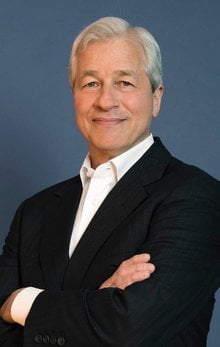
JPMorgan Sets Co-Presidents as Dimon Successor Race Narrows

What does succession look like when a Chief Executive has led a bank for 20 years and is not signalling an exit? JPMorgan Chase delivered its clearest indication yet this week – and it included a high-profile departure.
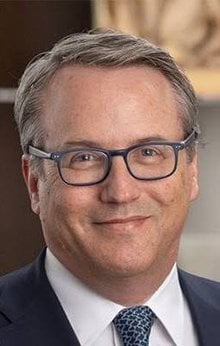
On 25 June, Doug Petno and Troy Rohrbaugh were appointed Co-Presidents with immediate effect, positioning them clearly at the front of the extended contest to replace Jamie Dimon.
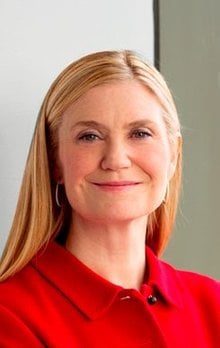
On the same day, Marianne Lake, a 25-year veteran long seen as a leading candidate, announced she would retire.
In a statement, Jamie described the leadership changes as “an important step in our Board's thoughtful process around succession planning" and added he has "never been more excited about the future of JPMorganChase”.
Departure after tenure
Marianne’s decision to step down is a notable moment for leadership watchers. She joined the firm in the late 1990s and served as Chief Financial Officer between 2013 and 2019, overseeing a period marked by record profits.
Her most recent achievement details how she led the consumer and community bank, the company’s largest unit by customer base.
For years, she featured prominently on succession shortlists and was widely regarded as the leading female contender in a process often dominated by men.
In the bank’s statement, Jamie called her “an outstanding partner and friend” who “dedicated her career to championing our people and customers ... always with unquestioned integrity”.
Her departure reduces the number of contenders and removes the most prominent woman from the field, a move analysts suggest reflects timing considerations rather than capability.
According to Bank of America analysts, the reshuffle – and especially her retirement – signals that Jamie, now 70, could remain in place for several more years.
The longer that timeline stretches, the more the balance shifts toward younger candidates rather than more senior figures. That reality now shapes the outlook for those still in contention.
The duality of leadership
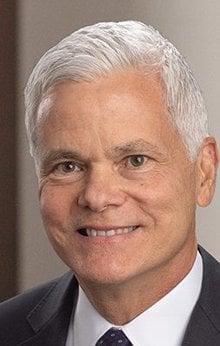
The two remaining candidates offer a clear contrast in style and background. Doug, 61, is known as a relationship-focused banker and has spent 35 years at the firm, having once considered a career as a vet.
He rose to lead commercial banking, where revenues more than doubled under his leadership. Jamie told Bloomberg in early 2025 that Doug is “a great client guy and a culture carrier”.
Doug continues to run the Commercial & Investment Bank and is also involved in overseeing a US$1.5tn Security and Resiliency Initiative that remains a priority for the Chief Executive.
“People took chances on me, including Jamie”, he said in 2019 when speaking to his alma mater – a comment that resonates differently with the top job now within reach.

The waiting game
JPMorgan is also reinforcing stability with significant retention incentives. A total of US$100m has been allocated to keep four senior executives in place, according to a regulatory filing. Doug and Troy will each receive US$30m, while Mary Erdoes, who continues as Head Asset & Wealth Management, and Jennifer Piepszak, who remains Chief Operating Officer, will receive US$20m each. All four report to Jamie.
These awards vest only if the bank meets a 12% return-on-tangible-equity target and include clawback provisions. The underlying message is direct: remain in position and deliver results.
This reflects JPMorgan’s long-term approach to succession planning. As the largest US bank by market value, worth more than US$890bn, it has spent years building depth and safeguards to ensure a smooth eventual transition. Layers of governance and compensation structures help minimise the risk of disruption.
Similar succession planning is playing out across corporate boards this year, from Domino’s to Nike, where potential successors are being tested while current leaders remain. At JPMorgan, the contest has effectively narrowed to two candidates without a defined timetable.
As Wells Fargo analyst Mike Mayo notes, “It's a question of timing more than anything.”
Company portals



Executives
Doug Petno
Co-president
Jamie Dimon
Chairman of the Board
Marianne Lake
CEO of Consumer & Community Banking

Mike Mayo
Analyst
Troy Rohrbaugh
Co-president