Procter & Gamble Unveils 2030 Plan to Save US$10bn

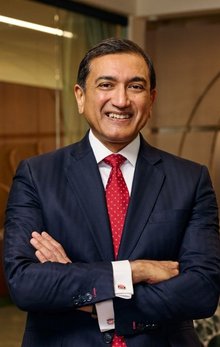
Procter & Gamble is aiming to save US$10bn as part of its productivity savings by 2030, CFO Andre Schulten says.
This strategy comes as the consumer goods giant plans to expand margins amid a period of rising cost pressures.
The company recently warned that increasing raw material, energy and freight costs would impact a large portion of annual profit, even as resilient demand for the company’s beauty and home-care products drove first-quarter sales.

- US$10bn – Target productivity savings Procter & Gamble aims to achieve by 2030
- US$1.8bn – Annual productivity savings from cost of goods sold, forming part of the US$10bn target
- 20-30% – Planned reduction in P&G's product supply workforce, including contractors, by 2030
- 10 million – Number of consumer profiles in P&G's database, used to support its AI-driven operations
- First-quarter sales growth – Driven by resilient demand for P&G's beauty and home-care products, despite rising cost pressures
AI and workforce cuts
Procter & Gamble CEO Shailesh Jejurikar presented the firm at a recent investor day as the “consumer packaged goods company of the future,” highlighting the firm’s database of 10 million consumer profiles and its use of AI to speed up company operations.
Discussing the company’s push into AI automation earlier this year, Shailesh said: “AI helps our teams discover consumer-relevant insights at every step of the consumer path to purchase.”
In addition to AI strategies and productivity savings, Procter & Gamble also plans to cut its workforce.
Chief Product Supply Officer Luc Reynaert says the company is committed to delivering up to US$1.8bn in annual productivity savings and a “20 to 30% reduction in our product supply workforce, including contractors, by 2030”.
He added that the US$1.8bn in savings is part of the US$10bn target and comes from the cost of goods sold.
Analysts divided on the strategy
According to Brian Jacobson, Chief Economic Strategist at Annex Wealth Management, the US$10bn productivity target is substantial. However, he questions how much of the strategy represents new efficiencies as opposed to offsetting higher energy and freight costs.
"Cost cutting can protect profitability, but it can’t manufacture growth. Can they cut the workforce and not sacrifice innovation, service levels, or execution?” Brian says, adding that he will wait for “proof and not rely on the promise”.
Andre Schulten stresses that the main objective of the productivity savings is reinvestment in the business, which will allow Procter & Gamble to grow faster than the market.
Meanwhile, Jaya Muvania, Senior Specialist at Final Round AI, discusses the cost savings’ impact on Procter & Gamble’s workforce, saying: “For workers, the useful reading is that these cuts are tied to a cost programme with a long horizon, not to a single bad quarter.
“That makes the reductions more likely to arrive gradually, plant by plant, as automation projects finish and contracts come up for renewal.”
For workers, the useful reading is that these cuts are tied to a cost programme with a long horizon, not to a single bad quarter.”
Procter & Gamble partners
Walmart: Procter & Gamble partners with Walmart to optimise retail supply chains, synchronise consumer demand forecasting and deliver everyday household essentials globally.
CEO: John Furner | Headquarters: Bentonville, Arkansas, US
Microsoft: Procter & Gamble collaborates with Microsoft to digitise global manufacturing facilities, deploy predictive cloud analytics and enhance production line efficiency.
CEO: Satya Nadella | Headquarters: Redmond, Washington, US
Google Cloud: Procter & Gamble utilises Google Cloud data analytics and artificial intelligence to unify consumer insights and power personalised brand experiences.
CEO: Sundar Pichai | Headquarters: Mountain View, California, US
Company portals



Executives

Andre Schulten
Chief Financial Officer

Brian Jacobsen
Chief Economic Strategist

Jaya Muvania
AI SEO Specialist
Luc Reynaert
Chief Product Supply Officer at Procter & Gamble
Shailesh G. Jejurikar
Chief Executive Officer