
Yen Slides Past ¥160: Bank of Japan Faces a Rate-Hike Test

Four weeks ago Japan and the United States spent billions to tell the market the yen would go no lower. The market said otherwise.
The currency is back past ¥160 to the dollar, erasing more than half of what that rare joint intervention bought, and the funds shorting it are betting the two governments have already spent their surprise.
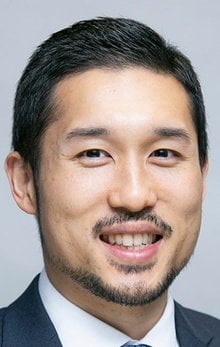
"160s is no longer a valuation level. It's becoming a policy level," says Masahiko Loo, Senior Fixed-Income Strategist at State Street Investment Management.
"Washington and Tokyo have effectively put a political line in the sand."
- The yen slipped as much as 0.5% to ¥160.16 per dollar, back toward the four-decade low near ¥164 it touched in July.
- It has now erased more than half the gains from the 31 July intervention, the first coordinated US-Japan yen buying since 1998.
- The dollar rallied after Fed Chair Kevin Warsh vowed to hit the 2% inflation target, reviving rate-hike bets.
- Markets price roughly an 80% chance the Bank of Japan raises rates at its meeting next month.
- Hedge funds have more than halved their bearish yen bets since the intervention, but carry trades are creeping back.
The breach began in Washington
The breach is as much about the dollar as the yen. Earlier this week new Federal Reserve Chair Kevin Warsh used Jackson Hole to promise he would hit the Fed's 2% target, and the market believed him, pricing in higher US rates and piling into dollars.
The gap between American and Japanese yields widened all over again, and it is that gap, not any minister's statement, that moves this exchange rate.
Japan imports its energy and carries the rich world's heaviest public debt, so a dearer barrel of oil and a nervous bond market lean on the yen at once. The pressure is structural.
That is why the authorities may wait.
That is why the authorities may wait. Because the slide is driven mostly by the dollar and US rates rather than anything specific to the yen, the desk can afford to be more patient, says Alex Cohen, a Foreign-Exchange Strategist at Bank of America.
The half-life of intervention
July's action firmed the yen to ¥155. The relief lasted a fortnight, then leaked away, and each round of official buying has bought less time than the one before.
Even Treasury Secretary Scott Bessent's separate effort to drag down long-term US borrowing costs has failed to hold.
Tokyo must deliver if they want to stabilise foreign-currency markets
Until the rate gap narrows, intervention treats the symptom. Reserves are finite, the selling is not, and a currency falling on fundamentals resumes falling the moment the buying stops.
Tokyo's real weapon is the BOJ
The more durable fix sits with the Bank of Japan, not the intervention desk. Its meeting next month carries an implied 80% chance of a rate rise, and Prime Minister Sanae Takaichi's government is said to back a near-term hike given the yen's slide.
A higher policy rate would do what no intervention can, shrink the yield gap that is doing the damage.
"Tokyo must deliver if they want to stabilise foreign-currency markets," says Geoffrey Yu, a Senior Strategist at BNY, who expects the authorities to hold their fire until the rates decision is in.
For finance leaders with yen exposure, the lesson is that the calm after July was borrowed, not bought" and the closer keeps its callback clean.
September's meeting will show who read it right.
Who are the Bank of Japan's key partners?
Ministry of Finance: Japan's finance ministry directs currency intervention, with the Bank of Japan acting as its agent in the market. Led by Finance Minister Satsuki Katayama, based in Tokyo.
US Treasury: Washington's partner in the 31 July coordinated intervention, the first joint US-Japan yen buying since 1998. Treasury Secretary Scott Bessent, based in Washington DC.
Federal Reserve: The US central bank whose rate path, under Chair Kevin Warsh, is the single biggest force pulling the dollar higher against the yen. Headquartered in Washington DC.





Executives

Geoffrey Yu
Senior EMEA Market Strategist a
Masahiko Loo
Senior Fixed-Income Strategist