
Top 10: Most Influential CFOs

For decades the CFO sat in the quiet seat, guarding the ledger and speaking only when the numbers forced the issue. Not in 2026. With AI swallowing capital and borrowing still costly, CFOs now decide what a company chases and what it leaves on the shelf.
Our ranking weighs the size of the business each runs, by revenue, assets and market value, alongside the decisions each faces this year.
These 10 steer the most valuable companies on the planet, from Wall Street to Big Tech to Big Oil. Meet the people balancing the books at the firms that move markets.
10. Mingde Yao
Company: ICBC
Revenue: US$117bn
Location: Beijing, China
Mingde Yao took on the role of Chief Financial Officer at Industrial and Commercial Bank of China in late 2025, inheriting the finances of the largest bank on earth by assets. ICBC crossed RMB 53tn (US$7.4tn) in total assets in 2025 and pledged dividends above US$15bn even as wafer-thin margins press on profits.
Mingde's task is the one facing every Chinese lender, defending earnings by growing fee and non-interest income while lending itself pays less than before.
9. Amy Hood
Company: Microsoft
Revenue: US$281.7bn
Location: Redmond, Washington, US
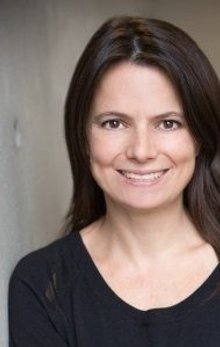
Amy Hood is the closest thing big technology has to an institution. Chief Financial Officer of Microsoft since 2013 and the first woman in the role, she has helped steer the LinkedIn, GitHub and Activision Blizzard deals and seen revenue more than triple during her tenure.
Her current balancing act is the Azure and OpenAI build-out, funding staggering AI investment while preaching headcount discipline. Microsoft, she signals, will grow its workforce again, but with more leverage squeezed from AI.
8. Anat Ashkenazi
Company: Alphabet
Revenue: US$402.8bn
Location: Mountain View, California, US
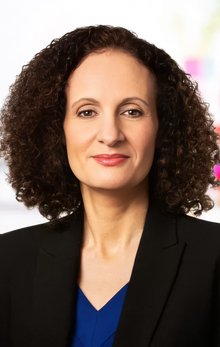
Anat Ashkenazi crossed an unusual bridge to become Alphabet's Chief Financial Officer in July 2024, leaving 23 years in pharmaceutical finance at Eli Lilly for the churn of Big Tech.
She arrived to impose discipline on Google's vast AI spending, pressing the company to "push a little further", according to CNBC, on efficiency even as the data centre bills climb. In 2025 Alphabet cleared US$400bn in revenue, a milestone read partly as her cost-and-AI balancing act paying off.
7. Colette Kress
Company: Nvidia
Revenue: US$216bn
Location: Santa Clara, California, US
Few finance chiefs have ever ridden a rocket like this. Colette Kress has been NVIDIA's CFO since 2013, long before the AI boom made the chipmaker the first company on earth worth US$4tn.
She has steered that surge from the back office, balancing ferocious demand against scarce supply and converting it into one of the great shareholder runs in history. The climb made Nvidia the most valuable company on the planet, and Colette, like her boss, a billionaire.
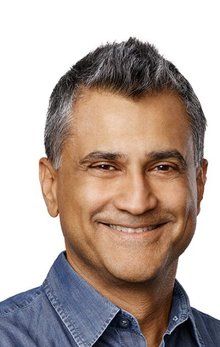
6. Kevan Parekh
Company: Apple
Revenue: US$416bn
Location: Cupertino, California, US
The most envied cash machine in technology changed hands on 1 January 2025, when Kevan Parekh took the Chief Financial Officer seat Luca Maestri had held for a decade.
An 11-year Apple finance veteran, he has kept it humming, flagging a record US$28bn of operating cash flow in a single quarter as Services revenue climbs to fresh highs. His brief is less about growth heroics than protecting margins, returning cash and funding Apple's deliberate march into AI.
5. Alastair Borthwick
Company: Bank of America
Revenue: US$113.1bn
Location: Charlotte, North Carolina, US
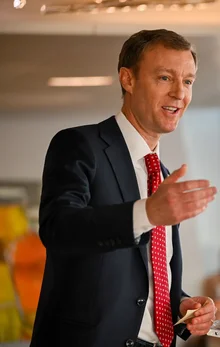
Alastair Borthwick, Chief Financial Officer of Bank of America since 2021, has built his pitch on a single number, net interest income, the gap between what a bank earns on loans and pays on deposits. In 2025 it reached around US$60bn, with a record fourth quarter, vindicating his bet that falling rates would help rather than hurt.
Under Chief Executive Brian Moynihan, Alastair runs the finances of a bank serving nearly half of US households, where steadiness is its strategy.
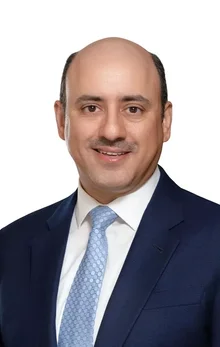
4. Ziad Al-Murshed
Company: Aramco
Revenue: US$445.7bn
Location: Dhahran, Saudi Arabia
Ziad Al-Murshed keeps the books at the most profitable company the world has known. As Chief Financial Officer of Saudi Aramco since 2022, he steers a balance sheet that helps fund Saudi Arabia itself through state dividends. His 2026 is a study in managing the down slope.
Softer oil prices pulled revenue lower in 2025, yet payouts to shareholders stay enormous. Ziad has also become Aramco's public voice on digital finance, a sign of its next move.
3. Brian Olsavsky
Company: Amazon
Revenue: US$717bn
Location: Seattle, Washington, US
Around US$200bn will flow out of Amazon and into capital projects in 2026, most of it data centres and AI for AWS, and Brian Olsavsky is the man who signs it off. Chief Financial Officer since 2015, he is the steady hand behind one of the wildest spending sprees in corporate history.
His task is to bankroll the build-out while keeping investors calm and cash flowing, with revenue now past US$700bn. Few finance chiefs approve bigger cheques.
2. Charles Chang
Company: Berkshire Hathaway
Revenue: US$371.4bn
Location: Omaha, Nebraska, US
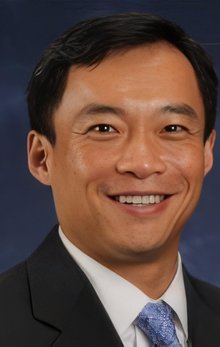
Few people have ever inherited a harder act to follow. Charles Chang became Chief Financial Officer of Berkshire Hathaway on 1 June 2026, taking the chair Marc Hamburg had held since the early 1990s, and doing so just as Greg Abel succeeded Warren Buffett as Chief Executive.
Two of the most storied seats in business changed hands inside six months. Charles, a former PwC partner who ran finance at Berkshire Hathaway Energy, now oversees a deliberately decentralised empire spanning insurance, railroads, energy and a famous mountain of cash.
The watch from Wall Street is simple and unforgiving. Does the Buffett model, all patience and capital discipline and almost no head office, survive the handover? Charles holds the ledger as that question gets answered in real time, which makes him the most quietly scrutinised new finance chief in the world this year.
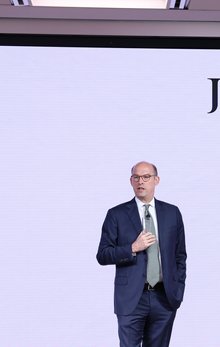
1. Jeremy Barnum
Company: JPMorganChase
Revenue: US$182.4bn
Location: New York City, NY, US
No balance sheet on earth is bigger to manage than this one. Jeremy Barnum has been Chief Financial Officer of JPMorganChase since 2021, the numbers chief of the most profitable bank in American history under the long reign of Jamie Dimon.
His running problem in 2026 is one most finance leaders would kill for: too much money. Jeremy has spent the year wrestling with what he calls the bank's excess capital, the cushion regulators demand and shareholders resent, waving through a US$50bn buyback and a double-digit dividend rise to hand some of it back. He’s the rare finance chief whose challenge is restraint rather than rescue, weighing how much of a fortress balance sheet to keep in reserve and how much to give away.
With the succession question hanging over Dimon, his steady hand on capital has made him one of the most-watched CFOs.
Company portals










Executives
Alastair Borthwick
CFO
Amy Hood
Chief Financial Officer
Anat Ashkenazi
CFO

Brian Olsavsky
CFO
Charles Chang
CFO

Colette Kress
Executive Vice President and CFO
Jeremy Barnum
CFO
Kevan Parekh
CFO

Mingde Yao
CFO
Ziad Al-Murshed
CFO