
HSBC's US$19.5bn Half-Year Vindicates Elhedery's Sell-Off
Most banks grow by piling things on. HSBC is trying the opposite, and this morning it worked.
Europe's largest lender posted a first-half pre-tax profit of US$19.5bn, up 23%, and turned the taps back on for shareholders with a buyback of up to US$1bn, its first since it took Hang Seng Bank private last October.
The second quarter alone threw off US$10.1bn, a 60% jump. Two years of selling, shrinking and simplifying, and the verdict is in: subtraction pays.
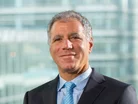
"HSBC is becoming the stronger bank we set out to build," says Group CEO Georges Elhedery. "We are executing our strategic priorities with pace, precision and discipline."
The break-up is the strategy

Georges has turned disposals into a habit. This month alone, HSBC agreed to hand its Egyptian retail arm to Emirates NBD for a gain of about US$300m.
Weeks earlier it sold its Singapore insurance business to Allianz for US$2.1bn, pocketing a US$1.8bn profit, and passed a US$25.3bn book of Australian mortgages and loans to a Blackstone-backed group. Malta and Indonesia are lined up next.
Each business Georges sells is one HSBC no longer has to run, freeing money and attention for the four it actually wants to win in.
The discipline is showing in the cost base too. HSBC now expects the overhaul to save US$2bn a year by December, and has cut its top management ranks by 15% since late 2024.
Not just a rates story
Every bank beat gets chalked up to interest rates. This one does not fit that story. HSBC did lift its lending-income guidance for 2026, from "around" to "at least" US$46bn, but the real engine was wealth, where quarterly revenue jumped 22% to US$2.8bn, led by Hong Kong.
Rates helped but they did not sell Egypt, thin the management ranks or lift wealth by a fifth. That was strategy, and strategy is repeatable in a way luck never is.
"My first two years have been about building a stronger HSBC," Georges says. "The next phase is about putting more of those strengths to work."
For shareholders, that phase means cash. HSBC kept its pledge to hand back half its earnings and to deliver a return on tangible equity of 17% or better through 2028.
Making the leaner bank actually pay that out now falls to Group Chief Financial Officer Pam Kaur.
The other side of the ledger
Even a quarter this good comes with money kept aside, and HSBC has stayed cautious where it counts.
It lifted its cover against souring loans to US$2.4bn for the half, including a US$400m charge on a UK exposure and US$200m tied to Hong Kong's cooler property market, with a little more put by for the conflict in the Middle East.
For a bank spanning dozens of economies, that is not a warning light. It is prudence doing its job.
Even the capital dip comes with a reason. The core ratio slipped to 14.1%, still inside HSBC's 14 to 14.5% target, and it fell by design, the price of taking Hang Seng Bank fully in-house.
The catch is a stock already flying
The one problem with a machine this smooth is that everyone can see it working. HSBC came into results on a record-breaking rally, its shares at an all-time high, which is a lovely position until it hardens into an expectation.
Bloomberg framed this morning's print as a test the rally had to pass.
HSBC passed. The harder question is the one every serial simplifier eventually meets. What is left to sell once the easy disposals are gone?
Company portals
Executives
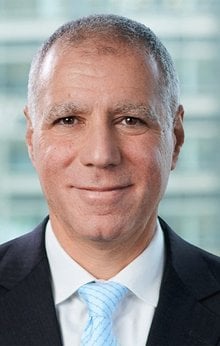
Georges Elhedery
Group CEO
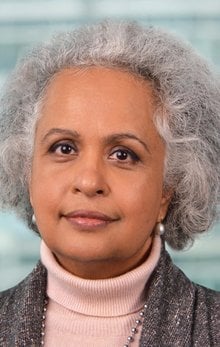
Pam Kaur
Group Chief Financial Officer