Macquarie Names Former CFO Greg Ward as Its Next CEO
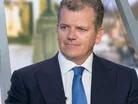
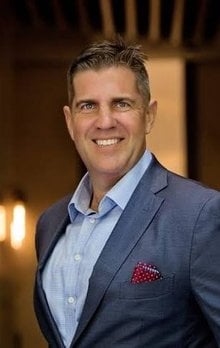
Macquarie Group has turned to a former finance chief for its top job. Australia's largest investment bank named Greg Ward as its next CEO at its annual meeting on 23 July, handing one of the country's biggest financial institutions to a man who once ran its balance sheet as Global CFO.
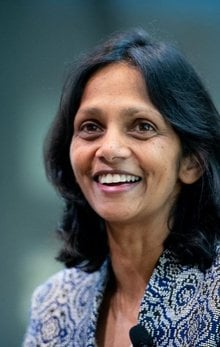
Greg takes over on 7 November from Shemara Wikramanayake, who retires the day before after eight years in charge and almost 40 years at the firm.
The A$96bn (US$63bn) group cast the move as continuity rather than change, and investors agreed.
"I'm honoured to be asked by the Board to succeed Shemara as Macquarie CEO," writes Greg, currently Head of Banking and Financial Services, in a statement.
"Shemara leaves Macquarie incredibly well positioned, with each of our businesses performing strongly. I look forward to working with the Board, management and our entire Macquarie team to build on Shemara's legacy for the benefit of all of our stakeholders."
A rare CFO-to-CEO arc

Greg spent years as Macquarie's Global CFO and Deputy Managing Director before taking charge of its banking and financial services arm.
The bank's next chief executive already knows its numbers from the inside, a finance-chief-to-CEO arc rarely seen at the top of global investment banking.
Shemara leaves as one of the most successful leaders in Macquarie's history. Under her the bank pushed deeper into green energy and infrastructure, widened its overseas reach and traded cleanly through the pandemic. Its shares have risen around 13% over the past year, against a 1% gain for the S&P/ASX 200.
Investors back the insider
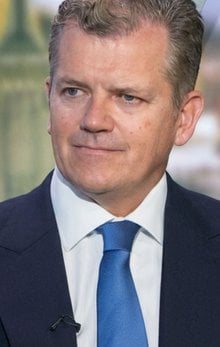
The market endorsed the pick within hours. "It looks like a fairly logical and reasonable appointment," says Romano Sala Tenna, Portfolio Manager at Katana Asset Management.
"It's a fairly steady-as-she-goes transition. Macquarie continues to be exceptionally well positioned...virtually unchallenged in many regards."
Jamie Hannah, Chief Investment Officer at VanEck, reads the same continuity, calling it a safe choice in someone who has been in the business a while and knows it well.
He does not expect Greg to arrive making large-scale strategic changes to a business that is already successful, and sees his task as maintaining the momentum.
One likely tilt
Hugh Dive, Chief Investment Officer at Atlas Funds Management, expects the strategy to hold but flags one probable shift in emphasis.
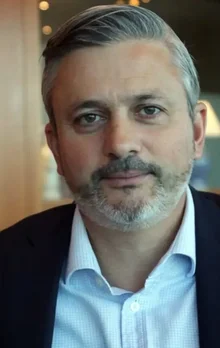
"Greg was the logical pick and the one the markets expected, as he is a former CFO and across all business lines," he says. "Probably the only change may be a greater emphasis on the banking division, which has been surprisingly successful in growing market share. It is a more stable source of profits than Macquarie Capital."
The choice still caught some by surprise. Andy Forster, Portfolio Manager at Argo Investments, says much of the market, himself included, had expected the job to go to someone from a larger or higher-growth arm of the bank, such as asset management or commodities.
He still rates Greg's grip on the business and his record at BFS, and doubts anything will change radically.
That reluctance to change anything is the point. Macquarie has compounded returns for years, and in Greg it has chosen the candidate least likely to disturb them, a choice Reuters said investors saw as a "safe pair of hands".