
Why Greg Abel Is Spending the Cash Buffett Never Would
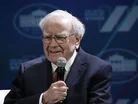
Warren Buffett likes to describe investing as baseball with one glorious rule change: no called strikes.
A batter can stand at the plate all day, bat on his shoulder, letting pitch after pitch sail by while he waits for the fattest, slowest lob of his career.
For the better part of four years, Berkshire Hathaway did precisely that, watching the market float past as its cash pile swelled towards US$400bn. Then Greg Abel swung.
BuffBuffett, who ran Berkshire as its CEO for six decades, handed Greg the keys at the end of 2025 with a blessing, not a rulebook.
"He is a great manager, a tireless worker and an honest communicator," Buffett wrote in his final shareholder letter, wishing his successor "an extended tenure."
What Abel did with Buffett's cash pile
In only his second quarter as CEO, Greg turned the famous hoard loose. The shopping list ran long.
- Google: around US$10bn into Alphabet, Google's parent, first revealed in June
- Buybacks: US$4.5bn of share buybacks, the largest since 2021
- Net buying: roughly US$20bn in net purchases, ending 14 straight quarters of selling
- Cash pile: down from a record US$397.4bn to US$365.5bn
For a house that had spent three years shrinking its stock bets, this is close to a personality transplant. The Alphabet position is the loudest signal of the lot.
Buffett spent decades steering clear of Big Tech, making his one great exception for Apple, so a US$10bn bet on Google reads as Greg planting a flag rather than tending a garden. And the buying may not have stopped.

Barron's estimates Berkshire spent another US$3.4bn on repurchases in July, much of it before the stock's late-month rally.
Wall Street cheers, Michael Burry doesn't
Wall Street mostly liked what it saw. CFRA's Cathy Seifert tells Bloomberg the buybacks are Greg's way of taking the helm and asserting himself.
Gabelli's Macrae Sykes agrees, telling CNBC the move signals that one of the market's shrewdest allocators sees value at today's price.
Not everyone is clapping. Michael Burry, the investor who called the 2008 housing crash, had long warned that his "biggest fear" for Berkshire was a successor who lacked Buffett's discipline to wait for the right "fat pitch."
The phrase is Buffett's own, borrowed from baseball great Ted Williams for a rare, unmissable opportunity. After the results, Burry posted on X (formerly Twitter) that the fear "has materialized." He no longer finds "Berkshire an attractive investment going forward."
Was Alphabet a fat pitch or a wild swing?
The operating business, meanwhile, is humming. Net profit more than doubled to US$25.7bn. Operating earnings rose 16% to US$12.98bn, with energy, rail and retail all posting double-digit gains.
Even a soft patch in insurance, a 45% dip in GEICO underwriting, barely dented the quarter.
So was Alphabet the fat pitch Buffett spent a career teaching everyone to wait for? Michael Burry has his doubts.
But with more than US$360bn still in reserve, this is a first swing, not the whole at-bat. Greg has stopped waiting and Berkshire finally has a buyer at the plate.
Company portals

Executives
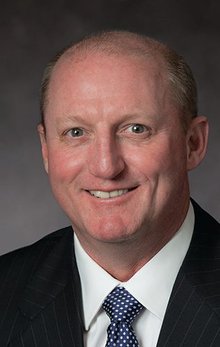
Greg Abel
CEO
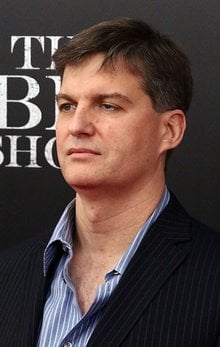
Michael Burry
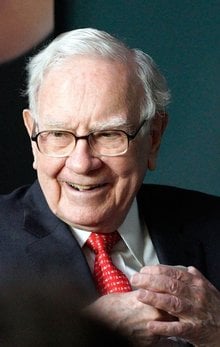
Warren Buffet
Former CEO